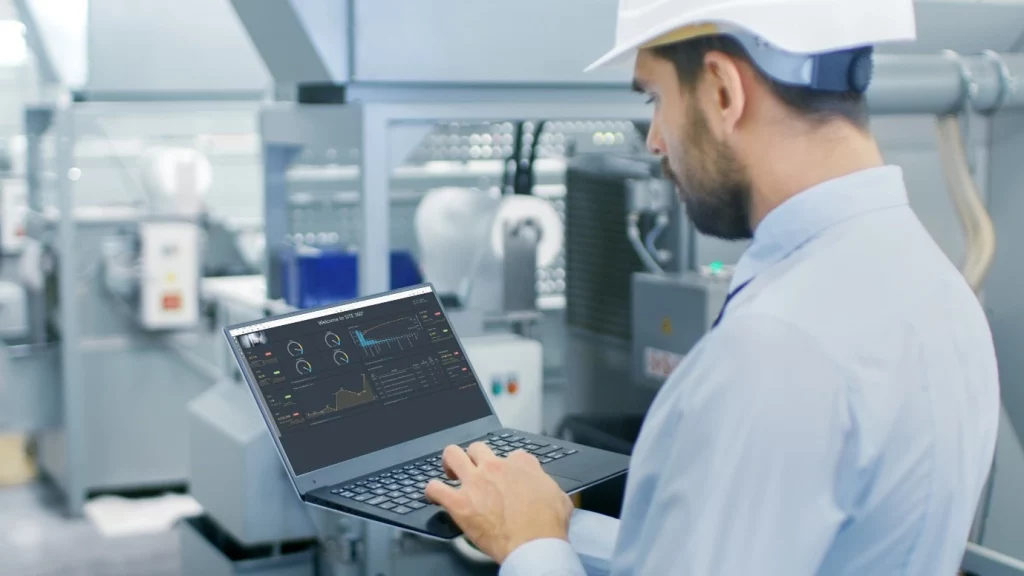
The optimization of manufacturing efficiency through digitalization presents a complex challenge for many organizations. It necessitates a thorough assessment of existing workflows and the strategic selection of appropriate software tools. Key components include the integration of enterprise resource planning (ERP) and manufacturing execution systems (MES). However, successful implementation hinges on employee training and clear metrics for success. What specific strategies can be employed to guarantee a seamless shift into this digital landscape?
Key Takeaways
- Evaluate existing workflows to pinpoint inefficiencies and select appropriate digital tools for seamless integration with current systems.
- Implement ERP systems and MES for improved data visibility and real-time production monitoring.
- Utilize advanced analytics software to drive continuous improvement through actionable insights.
- Train employees on new technologies to enhance adaptability and foster a culture of innovation.
- Establish clear metrics for success to track progress and measure the impact of digitalization on efficiency.
Understanding the Need for Digitalization in Manufacturing
Why is digitalization essential for modern manufacturing operations? The landscape of manufacturing has evolved, necessitating the adoption of digital technologies to enhance efficiency and competitiveness. Digitalization allows for real-time data collection, enabling informed decision-making and streamlined operations. By implementing best practices for digitalizing manufacturing processes, organizations can improve operational visibility, reduce downtime, and optimize resource allocation. Additionally, integrating advanced analytics can reveal patterns that drive innovation and continuous improvement. Organizations embracing digitalization not only enhance their production capabilities but also foster a culture of collaboration and adaptability among employees. In this transformative era, understanding the need for digitalization is pivotal for manufacturers aiming to thrive in a rapidly changing market.
Key Components of Digitalizing Manufacturing Processes
As manufacturers seek to enhance their operational efficiency, understanding the key components of digitalizing manufacturing processes becomes vital. Central to this initiative are data integration, automation, and real-time analytics. Data integration involves the seamless connection of disparate systems, guaranteeing information flows smoothly across the organization. Automation, on the other hand, streamlines repetitive tasks, reducing human error and increasing speed. Real-time analytics empower decision-makers with immediate insights, facilitating proactive adjustments to operations. Furthermore, robust cybersecurity measures are essential to protect sensitive data against potential threats. Finally, fostering a culture of continuous improvement guarantees that digitalization efforts evolve alongside technological advancements. Emphasizing these key components lays the groundwork for implementing best practices for digitalizing manufacturing processes effectively.

Essential Tools and Software for Optimization
A variety of essential tools and software play a critical role in optimizing manufacturing processes through digitalization. Enterprise Resource Planning (ERP) systems facilitate integrated management of core business processes, enhancing data visibility and decision-making. Manufacturing Execution Systems (MES) provide real-time monitoring and control of production activities, ensuring efficiency and quality. In addition, advanced analytics software enables manufacturers to derive actionable insights from vast datasets, driving continuous improvement. Cloud-based solutions enhance collaboration and scalability, allowing for seamless integration across various functions. Moreover, Internet of Things (IoT) devices enable real-time tracking of equipment and inventory, optimizing resource allocation. Collectively, these tools embody best practices for digitalizing manufacturing processes, fostering a culture of innovation and operational excellence within organizations.
Implementing Best Practices for Digitalizing Manufacturing Processes
Implementing best practices for digitalizing manufacturing processes requires a strategic approach that aligns technology with organizational goals. Organizations should begin by evaluating existing workflows to identify bottlenecks and inefficiencies. Subsequently, selecting appropriate digital tools that integrate seamlessly with current systems is essential. Training employees on these technologies fosters a culture of adaptability and innovation, ensuring the workforce feels valued and engaged. Additionally, establishing clear metrics for success allows teams to monitor progress and make informed adjustments. Continuous feedback loops and regular evaluations of the digitalization strategy enhance responsiveness to changing market demands. Ultimately, prioritizing collaboration among departments promotes a unified approach, building a sense of community while driving operational excellence in manufacturing efficiencies.
Measuring the Impact of Digitalization on Manufacturing Efficiency
Measuring the impact of digitalization on manufacturing efficiency necessitates a thorough analysis of key performance indicators (KPIs) that reflect operational performance. Metrics such as production cycle time, equipment utilization rates, and defect rates serve as essential benchmarks. By employing data analytics, organizations can identify trends and correlations that indicate the effectiveness of digital tools. Further, benchmarking against industry standards provides context for evaluating improvements. It is fundamental to employ a holistic approach, integrating feedback from frontline workers to gauge the human aspect of digitalization. This extensive assessment fosters a sense of community among stakeholders, enhancing collaboration and driving sustained efficiency. Ultimately, understanding these KPIs is critical for implementing best practices for digitalizing manufacturing processes effectively.
Frequently Asked Questions
What Are the Costs Associated With Digitalizing Manufacturing Processes?
The costs associated with digitalizing manufacturing processes encompass software acquisition, hardware upgrades, training expenses, ongoing maintenance, and potential downtime during implementation. These factors collectively influence the overall investment required for effective digital transformation in manufacturing.
How Long Does It Take to See Results From Digitalization?
Results from digitalizing manufacturing processes typically manifest within six to twelve months, contingent upon the complexity of integration and existing infrastructure. Organizations often experience incremental improvements, progressively enhancing efficiency and productivity as digital systems mature.
Can Small Manufacturers Benefit From Digitalization?
Small manufacturers can greatly benefit from digitalization, as it enhances operational efficiency, reduces costs, and improves product quality. By adopting best practices for digitalizing manufacturing processes, they can compete effectively in an increasingly digitized market.
What Industries Are Leading in Manufacturing Digitalization?
Industries such as automotive, electronics, and aerospace are at the forefront of manufacturing digitalization. Their adoption of advanced technologies enhances operational efficiency and competitiveness, demonstrating the transformative impact of digitalization in modern manufacturing landscapes.
How Do I Choose the Right Software for My Needs?
To choose the right software, one must assess specific operational needs, evaluate scalability, consider integration capabilities, and prioritize user experience. Thoroughly researching vendor support and reviewing customer feedback enhances the decision-making process considerably.
Conclusion
To summarize, the strategic digitalization of manufacturing processes is imperative for enhancing efficiency and productivity. By carefully evaluating existing workflows, selecting appropriate software tools, and investing in employee training, manufacturers can address inefficiencies effectively. Establishing robust metrics and promoting collaboration across departments further solidifies the impact of digital initiatives. Ultimately, embracing real-time analytics and automation fosters a culture of continuous improvement, positioning manufacturers to thrive in an increasingly competitive landscape.
You May Also Like To Read: