Regular roof inspections play an essential role in maintaining the integrity of a home. These assessments help identify underlying issues that could lead to significant damage if left unaddressed. Homeowners can benefit financially through early detection of problems, ultimately preserving property value. Understanding the process and advantages of these inspections reveals more than just surface-level benefits. The discussion will explore the multifaceted advantages of routine roof evaluations.
Key Takeaways
- Regular roof inspections identify potential issues early, preventing costly repairs and protecting your investment in the long run.
- They enhance the lifespan of roofing materials, deferring expensive replacements and maximizing your property’s value.
- Inspections improve energy efficiency by ensuring proper ventilation and drainage, reducing utility costs over time.
- Proactive maintenance can lead to lower insurance premiums, safeguarding your financial interests as a homeowner.
- A detailed report from inspections helps prioritize maintenance strategies, ensuring timely interventions and reducing future risks.
Understanding the Importance of Roof Inspections
Although many homeowners may overlook the necessity of routine maintenance, understanding the importance of roof inspections is vital for safeguarding their investment. A roof inspection is a thorough evaluation of a roof’s condition, identifying potential issues before they escalate into significant problems. This process involves evaluating the integrity of roofing materials, checking for leaks, and examining structural components. Regular inspections can prevent costly repairs, extend the lifespan of the roof, and enhance energy efficiency, ultimately contributing to a home’s overall value. By prioritizing what is roof inspection, homeowners can guarantee that their roofs remain in ideal condition, fostering a sense of security and belonging within their community. Investing in timely inspections reflects a commitment to responsible homeownership and property care.
What Is Roof Inspection and How It Works
A roof inspection is a systematic process designed to assess the condition of a roof, identifying any existing or potential issues that could compromise its integrity. Qualified inspectors typically begin with a visual examination, checking for signs of wear, damage, or deterioration, such as missing shingles, leaks, or structural weakness. They may also utilize tools like infrared cameras or moisture meters to detect hidden problems. The inspection process often includes evaluating the roof’s drainage systems, ventilation, and flashing to guarantee peak performance. After the assessment, inspectors provide a detailed report outlining findings and recommendations for repairs or maintenance. This proactive approach not only helps maintain the roof’s functionality but also fosters a sense of security and belonging among homeowners.
The Financial Benefits of Regular Roof Inspections
Regular roof inspections serve as an essential investment strategy for homeowners, as they can considerably reduce long-term costs associated with roof maintenance and repairs. By identifying potential issues early, homeowners can avoid more significant expenses that arise from neglecting minor problems. Routine inspections often lead to increased lifespan for roofing materials, thereby deferring the need for costly replacements. Additionally, insurance premiums may decrease when homeowners can demonstrate proactive maintenance efforts, further enhancing financial savings. Investing in regular roof inspections not only safeguards the structural integrity of the home but also optimizes budget management over time. Ultimately, understanding what is roof inspection reinforces the value of this practice in protecting both the home and the homeowner’s financial interests.
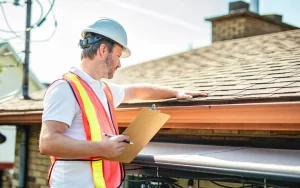
Common Issues Identified During Roof Inspections
Identifying potential problems during roof inspections is essential for maintaining the longevity and safety of a home. Common issues discovered often include missing or damaged shingles, which can expose underlayment to moisture. In addition, inspectors frequently find roof leaks caused by improper flashing around chimneys and vents. Accumulation of debris, such as leaves and branches, can lead to drainage issues and water pooling, increasing the risk of structural damage. Moreover, signs of wear and tear, such as cracked or curled shingles, indicate a need for timely repairs. Regular roof inspections not only reveal these concerns but also help homeowners prioritize maintenance strategies, ultimately safeguarding their investment and ensuring the roof performs at its best over time.
How to Schedule and Prepare for a Roof Inspection
How does one effectively schedule and prepare for a roof inspection? The first step involves selecting a qualified roofing professional, ideally someone with positive reviews and relevant certifications. Homeowners should contact the inspector to discuss availability, ensuring the timing aligns with weather conditions to avoid unnecessary complications. Prior to the inspection, individuals should clear debris from gutters and downspouts, as well as trim overhanging branches that may obstruct access to the roof. Additionally, it is beneficial to prepare any relevant documentation, such as previous inspection reports and warranty information. This proactive approach not only facilitates a thorough examination but also fosters a sense of community among homeowners who prioritize their investment in roof maintenance. Understanding what is roof inspection is essential for effective preparation.
Frequently Asked Questions
How Often Should I Schedule Roof Inspections?
Experts recommend scheduling roof inspections at least twice a year, ideally in spring and fall. Additional inspections may be necessary after severe weather events to guarantee the roof’s integrity and longevity. Regular monitoring is essential.
Can I Perform a Roof Inspection Myself?
Yes, an individual can perform a roof inspection themselves, provided they possess the necessary knowledge and tools. However, professional inspections are recommended for thorough assessments, ensuring safety and identifying potential issues effectively.
What Tools Do I Need for a Roof Inspection?
For a roof inspection, essential tools include binoculars for distant viewing, a flashlight for inspecting dark areas, a ladder for access, safety gear, and a moisture meter to detect leaks or dampness effectively.
Are Roof Inspections Covered by Homeowners Insurance?
Roof inspections may be covered by homeowners insurance, depending on the policy. Homeowners should review their specific coverage details, as well as consult with their insurance provider to clarify any conditions or exclusions that apply.
What Happens if Issues Are Found During an Inspection?
If issues are found during an inspection, an extensive assessment is conducted, determining necessary repairs or replacements. This proactive approach helps prevent further damage, ensuring the longevity and integrity of the roof and overall property value.
Conclusion
To sum up, regular roof inspections serve as a critical component of home maintenance, safeguarding homeowners’ investments by identifying potential issues early. By understanding the significance of these inspections and their financial benefits, homeowners can make informed decisions that enhance the longevity and efficiency of their roofs. Proactive measures, such as scheduling routine inspections, ultimately protect property value and contribute to a more resilient and secure living environment, ensuring peace of mind for homeowners.
You May Also Like To Read: